European Regulations Driving Evolution in Slot Game Mechanics Across Providers
Skriven av Katja Perry · 2026-11-07
European Regulations Driving Evolution in Slot Game Mechanics Across Providers
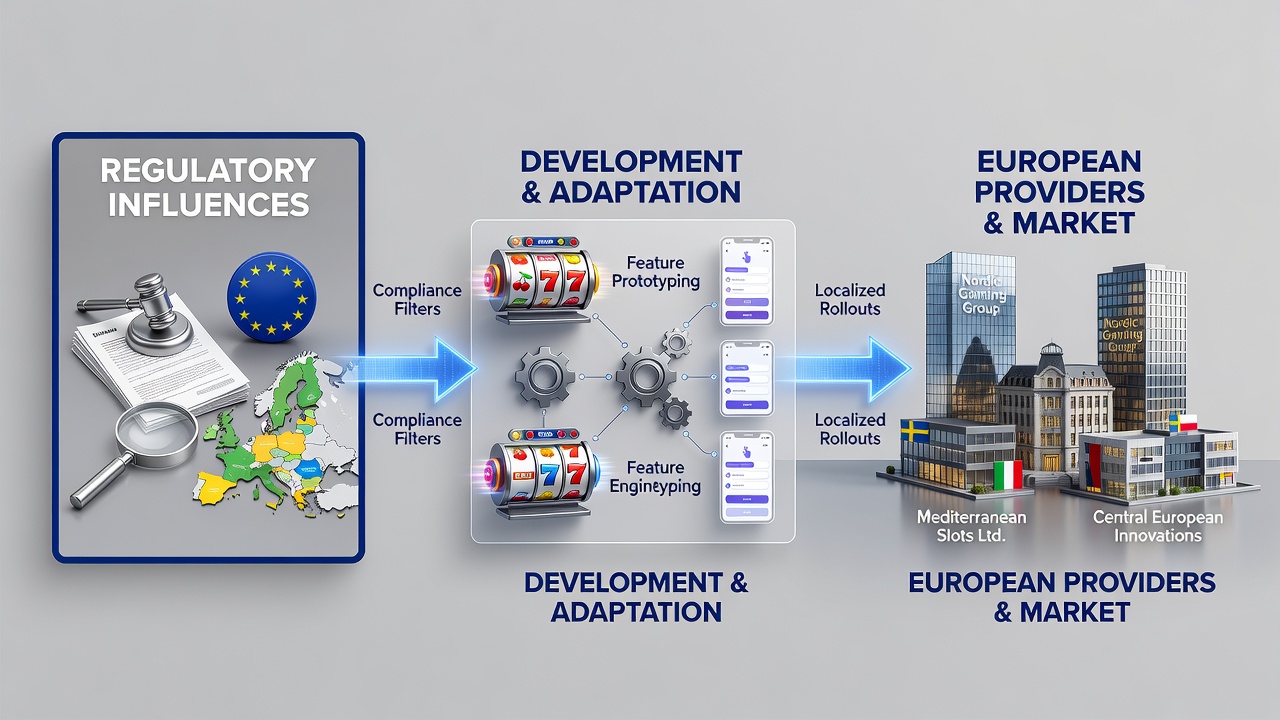
European gaming regulations continue to shape how providers design and implement features in slot games with multiple authorities issuing updated guidelines that directly affect elements such as random number generators and player interaction tools. Providers operating under licenses from bodies like the Malta Gaming Authority and the German GGL adjust their development pipelines to meet certification standards that emphasize transparency and fairness in every spin outcome. Data from industry reports shows these adjustments often involve integrating mandatory responsible gaming modules into core gameplay loops rather than treating them as optional add-ons.
Key Regulatory Bodies and Their Specific Requirements
Authorities across the continent enforce rules that require features like session time limits and deposit caps to appear prominently in user interfaces while still allowing engaging bonus structures to function within those boundaries. Researchers at institutions tracking compliance trends note that providers frequently redesign auto-play sequences to include mandatory pauses after a set number of spins because several jurisdictions now mandate such interruptions to align with consumer protection directives. And yet these same providers maintain high-volatility mechanics and multiplier systems that appeal to players as long as the underlying mathematics passes independent testing labs approved by regulators.
Feature Adaptations in Response to Compliance Standards
Slot mechanics involving bonus buys and free spin triggers undergo particular scrutiny because regulators in countries such as Denmark and the Netherlands demand clear disclosure of odds and expected returns before any purchase option activates. Providers therefore embed explanatory pop-ups and probability displays directly into the feature selection screens so users see the information without leaving the game environment. Studies from academic groups focused on digital entertainment indicate that these embedded disclosures have become standard across new releases in late 2026 as companies prepare for potential harmonization efforts at the EU level.
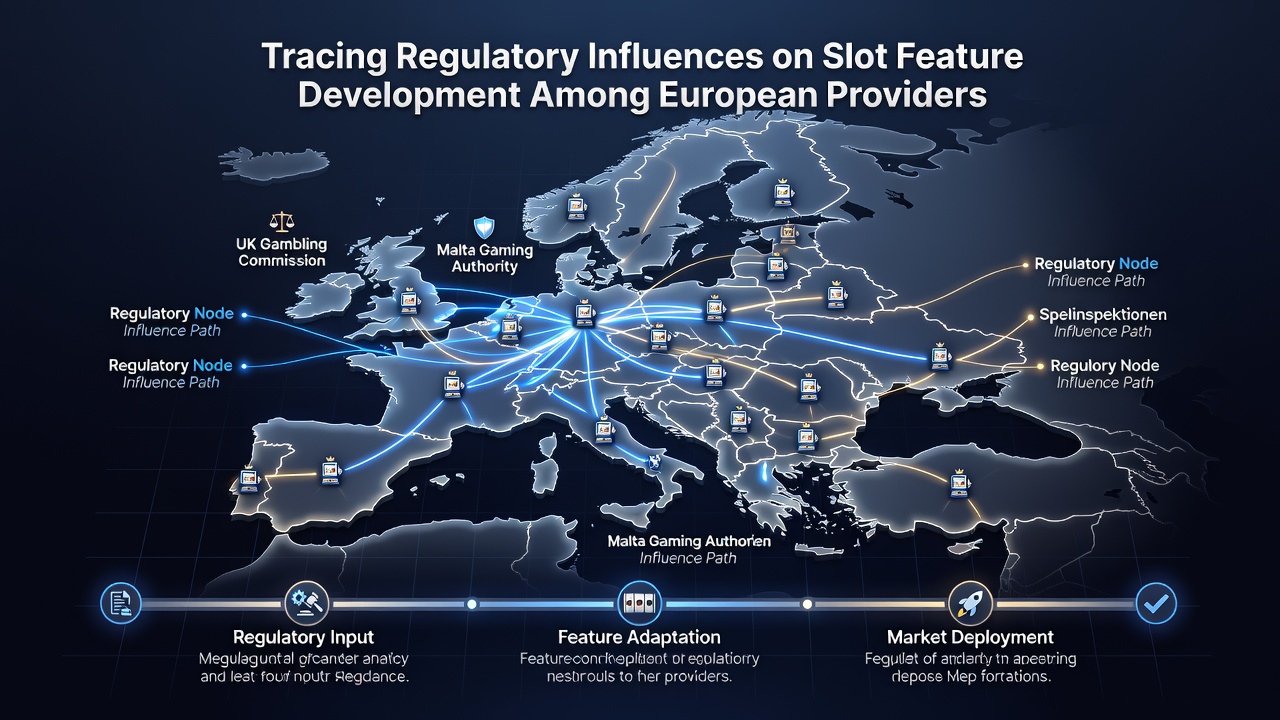
November 2026 brought additional updates from several national regulators that emphasize audit trails for all promotional mechanics including tournament modes and leaderboard systems. Providers responded by logging every player action within these features so that authorities can review compliance data in real time during license renewals. This shift has led development teams to build modular code frameworks where responsible gaming tools can be activated or modified based on the specific license jurisdiction without rebuilding entire game engines from scratch.
Impact on Technical Implementation and Certification Processes
Technical standards now require that random number generator outputs remain consistent across different regulatory testing environments which forces providers to maintain multiple certification pathways simultaneously. Observers note that companies based in Malta and Gibraltar often coordinate with labs in both Europe and other regions to streamline approvals while still meeting the distinct documentation needs of each authority. Figures from trade associations reveal that average certification timelines have extended by several weeks in recent quarters due to the added layers of feature verification.
One case involves a provider adapting its cluster-pay mechanics to include dynamic volatility adjustments that activate only after players reach certain session milestones; this approach satisfies rules around extended play encouragement without violating loss-limit protocols. Experts tracking these changes point to similar patterns emerging among smaller studios that partner with larger platforms to share compliance infrastructure and reduce duplication of testing efforts.
Future Directions for Provider Strategies
Providers continue to monitor proposals for cross-border data sharing among regulators because such frameworks could standardize how player behavior data informs feature restrictions. Industry organizations like the European Gaming and Betting Association have published analyses showing that harmonized approaches might reduce development costs while preserving regional differences in player preferences. European Gaming and Betting Association analyses highlight ongoing work on unified reporting formats that would allow providers to submit single compliance packages for multiple markets.
Another source of influence comes from research institutions examining how interface design elements interact with regulatory mandates. A recent paper from a Canadian university gaming lab compared European slot implementations with those in other markets and found that mandatory cooling-off prompts appear more seamlessly integrated into European titles because developers receive earlier guidance during the concept phase. University research comparisons suggest these early integrations help maintain engagement metrics even as protective features multiply.
Conclusion
Regulatory influences on European slot feature development continue to evolve through iterative updates from national authorities and emerging EU-level coordination efforts. Providers adapt by embedding compliance elements into core design processes which results in games that satisfy both entertainment goals and legal obligations across multiple jurisdictions. The patterns observed through 2026 indicate that future releases will likely feature even more modular systems capable of rapid adjustment to new guidelines while preserving the creative mechanics that define modern slot experiences.