Game Provider Technologies Driving Jackpot Slot Options in Sweden's Mobile Casino Market
Skriven av Viktor Simmons · 2026-09-26
Game Provider Technologies Driving Jackpot Slot Options in Sweden's Mobile Casino Market
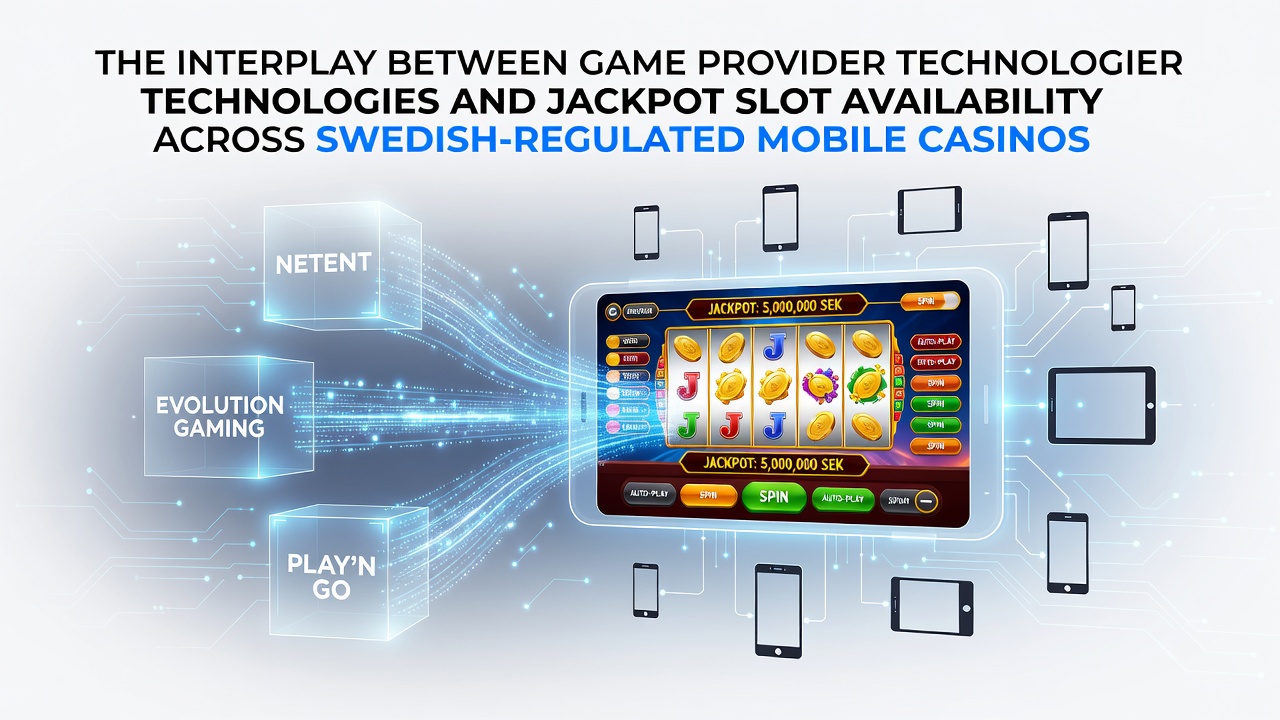
Swedish-regulated mobile casinos rely on game provider technologies to determine which jackpot slots reach players, and the systems these providers deploy shape availability more than most realize. Regulatory requirements from Spelinspektionen set strict parameters around random number generation, payout verification, and mobile compatibility, while providers such as NetEnt, Play'n GO, and Microgaming adapt their platforms to meet those standards without compromising jackpot mechanics. Data from industry reports indicate that over 85 percent of jackpot-enabled titles in the Swedish market operate through certified API integrations that allow real-time balance updates across devices.
Regulatory Requirements Shape Provider Integration
Operators must secure licenses that mandate third-party testing for all jackpot pools, and this process influences how quickly new titles appear on mobile apps. Providers integrate with certified gambling systems that track contributions to progressive jackpots in real time, ensuring compliance with Swedish rules on transparency and fairness. According to figures from Spelinspektionen, license holders reported consistent growth in mobile jackpot sessions during the first half of 2026, driven by updated server-side rendering that reduces latency on 5G networks. Those who've studied the licensing data note that providers using modular jackpot engines gain faster approval because their code separates the progressive pool logic from the base game, simplifying audits.
Technical Architecture Behind Mobile Jackpots
Jackpot availability depends on cloud-based distribution models that let providers push updates without requiring full app reinstalls. Many Swedish operators now use containerized microservices that handle jackpot triggers separately from core slot logic, which allows simultaneous support for multiple progressive tiers across different games. Research indicates that this separation reduces server load during peak evening hours, when mobile traffic spikes. Providers that employ HTML5 frameworks with WebAssembly components deliver smoother animations on older handsets while maintaining the cryptographic integrity needed for jackpot certification. Observers note that titles using these hybrid approaches appear more frequently in Swedish app stores because they pass performance benchmarks more reliably.
September 2026 Platform Updates and Their Effects
In September 2026 several major providers rolled out revised jackpot APIs that support cross-operator pooling under strict Swedish oversight. These updates introduced encrypted seed generation on the device side, which complements server-side verification and meets new guidelines on player-funded progressive contributions. Data shows a measurable increase in available jackpot slots on mobile platforms following these changes, particularly for mid-tier providers that previously lacked the infrastructure for real-time synchronization. Operators who adopted the new APIs reported broader game libraries without additional certification delays, because the standardized interface reduced the need for custom compliance testing on each title.
Distribution Patterns Across Licensed Operators
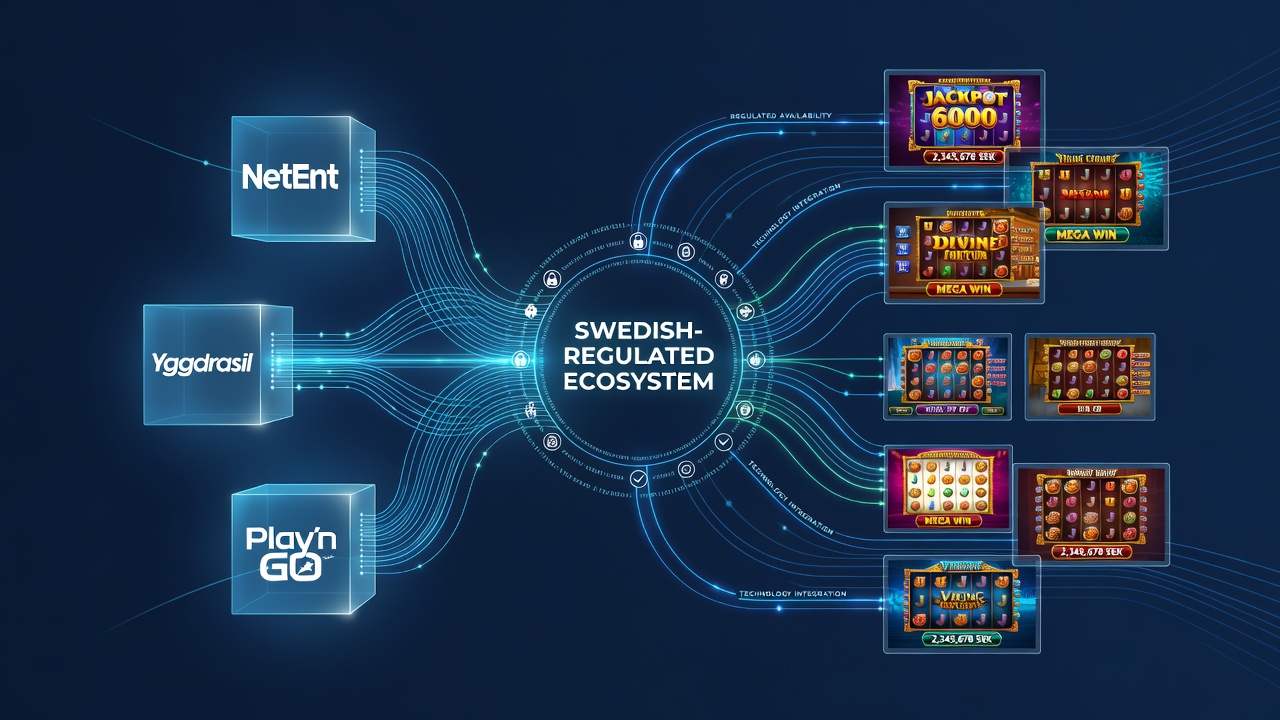
Availability of jackpot slots varies by operator size because larger platforms maintain direct integrations with multiple providers, whereas smaller ones rely on aggregator services that filter titles through a single gateway. Aggregators that implement unified jackpot ledgers can offer a wider selection while still satisfying Spelinspektionen requirements for segregated player funds. Studies from European gaming research groups reveal that operators using these gateways experience fewer interruptions in jackpot displays during software updates. The reality is that providers optimize their mobile builds for the most common Swedish device configurations, which further concentrates certain jackpot titles on popular handsets and tablets.
Future Infrastructure Trends
Providers continue to invest in edge computing nodes located within the EU to reduce ping times for Swedish players, and this infrastructure directly affects how reliably jackpot meters update during mobile sessions. Early adopters of 6G-ready protocols have begun testing low-latency jackpot synchronization that could expand the range of games eligible for mobile play under current regulations. Figures reveal steady growth in the number of certified jackpot titles available through Swedish-licensed apps, driven by these technical refinements rather than changes in licensing volume alone. Those monitoring the sector point out that the same providers supplying Swedish operators often apply similar optimizations in other regulated markets, creating consistent availability patterns across borders.
Conclusion
The relationship between game provider technologies and jackpot slot availability in Swedish-regulated mobile casinos rests on certified integrations, modular architectures, and regulatory compliance frameworks that evolve together. Providers that align their development pipelines with Swedish technical standards continue to expand the selection of titles operators can offer, while operators that choose compatible platforms maintain steady access to progressive features. Data from 2026 demonstrates that these technical choices determine which jackpot experiences reach mobile users and how consistently those experiences perform under regulated conditions.